Learn how to optimize your home's natural cooling potential through strategic improvements, efficient practices, and smart habits. These tips help you stay comfortable while minimizing energy consumption.
Maximize Cooling Efficiency
Heat-Reflective Painting & Surfaces
Using heat-reflective materials and paints can significantly reduce heat absorption, keeping your home cooler naturally. Light colors and reflective surfaces bounce solar radiation away rather than absorbing it.
Effective Applications:
- Roof Coating: Reflective roof paints can reduce roof temperatures by 20-30°F
- Exterior Walls: Light-colored paints reflect heat away from your home's structure
- Window Frames: Light-colored frames reduce heat transfer through windows
- Outdoor Surfaces: Patios and decks with reflective materials stay cooler
Best Practices:
- Choose paints with high Solar Reflectance Index (SRI) ratings
- Apply reflective coatings to south and west-facing surfaces
- Maintain reflective surfaces to ensure continued effectiveness
- Consider cool roof systems for maximum impact
Roof and Attic Insulation
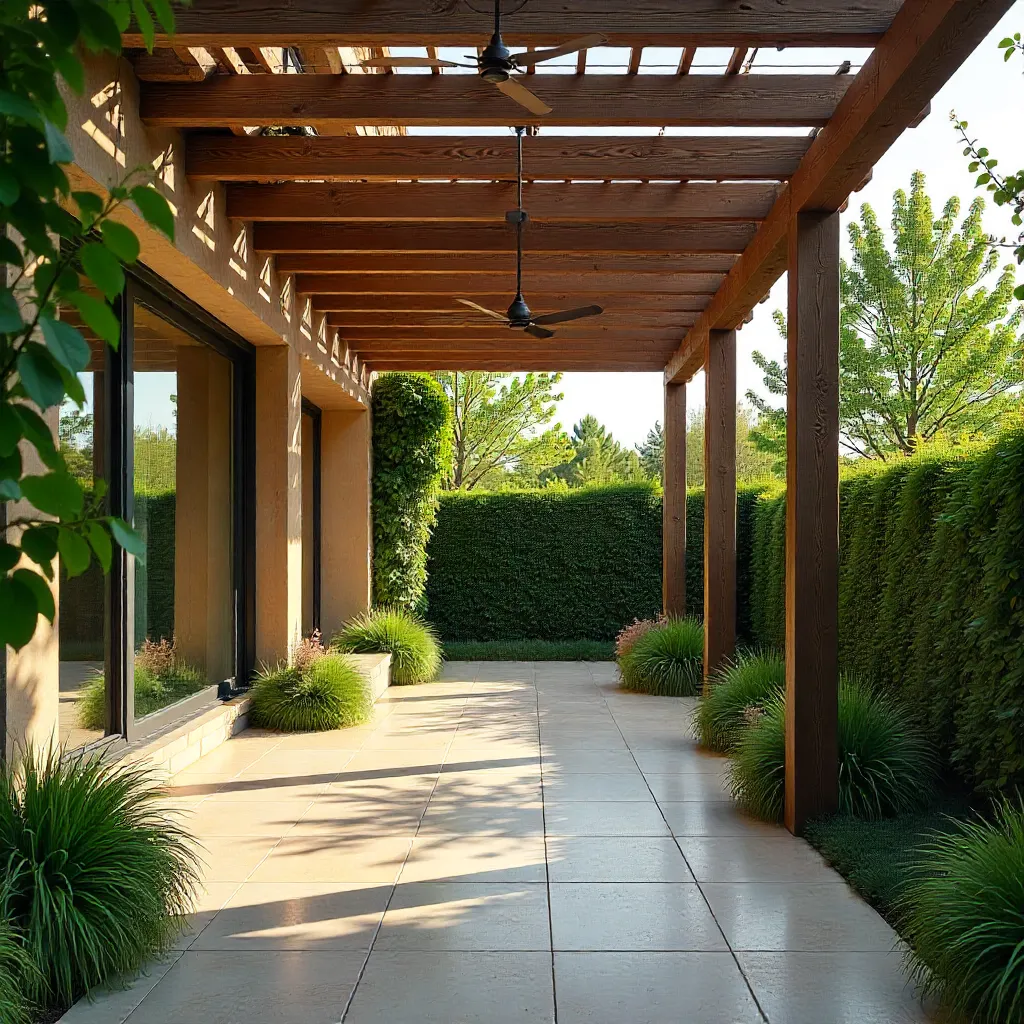
Proper attic and roof insulation creates a barrier that prevents heat from radiating into your living spaces. This is one of the most effective ways to maintain comfortable indoor temperatures.
Insulation Strategies:
- Attic Floor Insulation: Prevents heat from entering living areas below
- Roof Deck Insulation: Blocks heat at the source before it enters
- Radiant Barriers: Reflective materials that block radiant heat transfer
- Ventilation: Proper attic ventilation helps remove trapped heat
Installation Tips:
- Ensure adequate insulation depth (R-30 to R-60 for most climates)
- Seal air leaks before adding insulation
- Maintain proper ventilation to prevent moisture issues
- Consider professional assessment for optimal results
Cross-Room Ventilation Plans
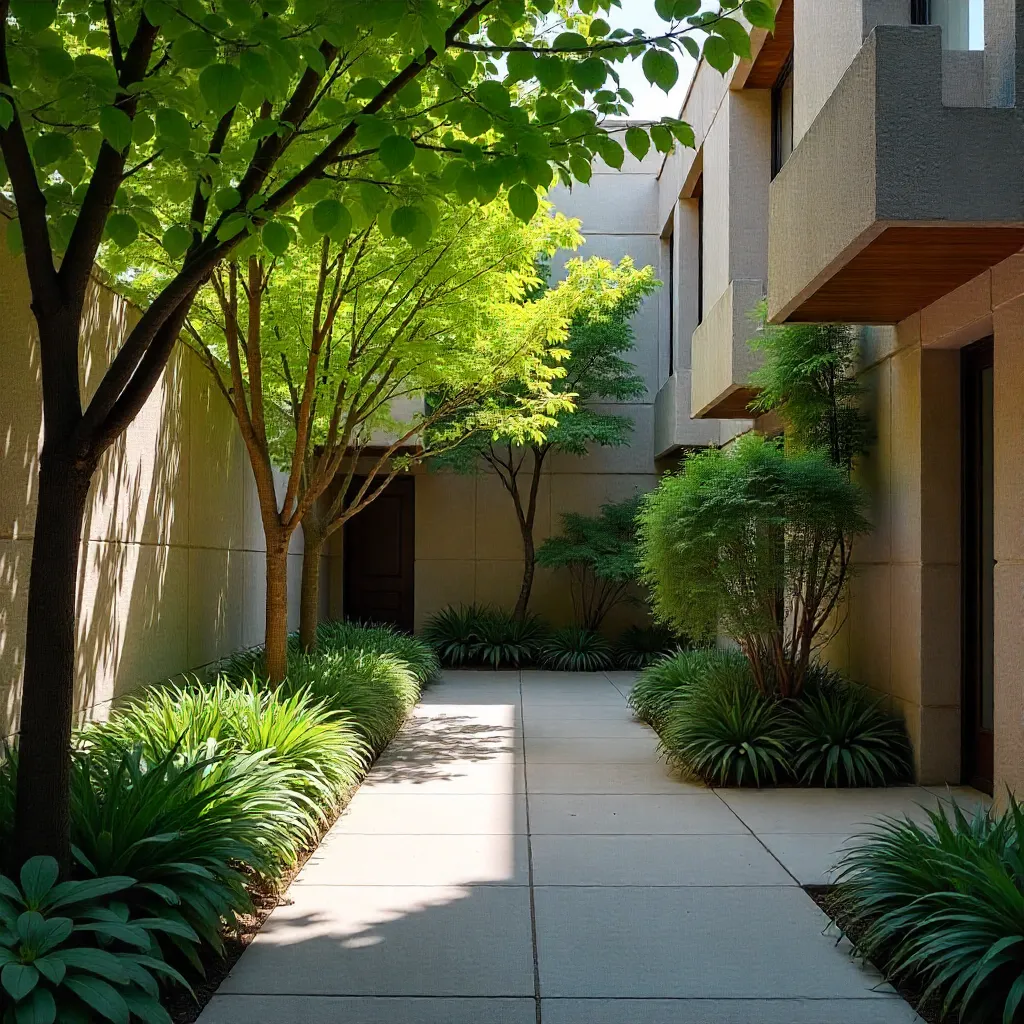
Strategic ventilation planning ensures optimal airflow throughout your entire home, not just individual rooms. This creates a comprehensive cooling system that works naturally.
Ventilation Layout Principles:
- Inlet Zones: Identify cooler areas (north side, shaded areas) for air entry
- Flow Paths: Create clear pathways through main living areas
- Outlet Zones: Designate warmer areas (south side, sunny areas) for air exit
- Stack Effect: Utilize height differences to create natural air movement
Room-by-Room Strategy:
Living Areas: Open windows on opposite sides, use fans to enhance flow
Bedrooms: Create cross-ventilation with hallway doors and windows
Kitchen: Use exhaust fans to draw air through the space
Bathrooms: Ventilation fans help maintain overall airflow
Combining Passive Cooling with Small Fans
Small fans can significantly enhance natural cooling when used strategically. They don't cool the air but move it efficiently, amplifying the effects of passive cooling methods.
Optimal Fan Placement:
- Window Fans: Position to draw cool air in or push warm air out
- Ceiling Fans: Set to rotate counter-clockwise in summer for downward airflow
- Box Fans: Place in windows or doorways to enhance cross-ventilation
- Oscillating Fans: Use to distribute cooled air throughout rooms
Efficiency Tips:
- Use fans only when natural airflow is insufficient
- Turn off fans when leaving rooms to save energy
- Combine with other passive methods for maximum effect
- Choose energy-efficient models with low power consumption
Eco-Friendly Habits for Lower Indoor Heat

Simple daily habits can significantly reduce indoor heat generation and improve natural cooling effectiveness. These practices require minimal effort but provide substantial benefits.
Heat Reduction Habits:
- Cooking: Use outdoor grills or cook during cooler hours
- Lighting: Switch to LED bulbs that generate less heat
- Appliances: Run heat-generating appliances during cooler times
- Electronics: Turn off unused devices to reduce heat output